Mastering the Best Meatloaf Recipe for Your Family Table

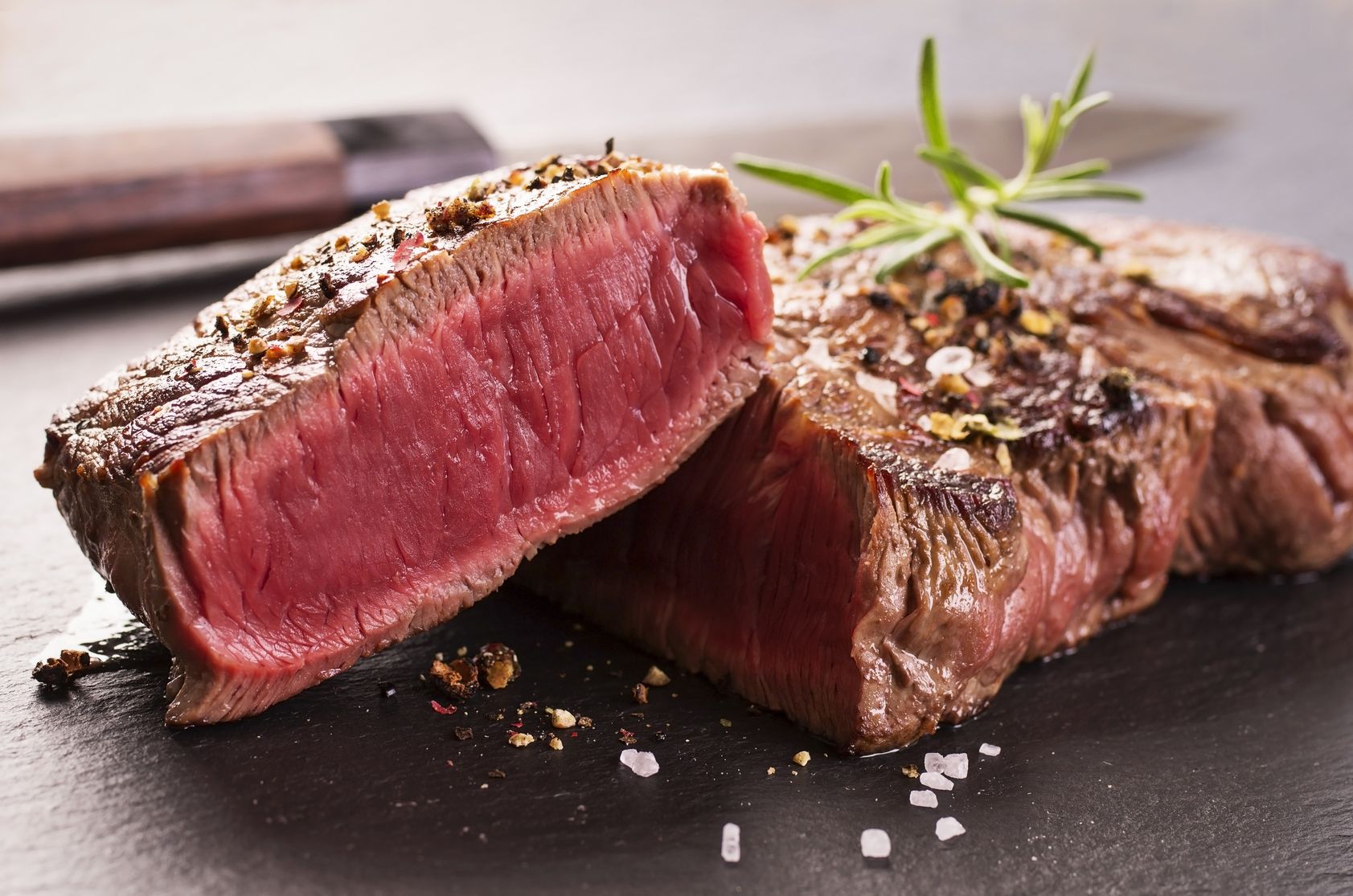
Meatloaf is often regarded as the quintessential American comfort food. It evokes memories of Sunday family dinners, the warm aroma of a kitchen in winter, and the simple satisfaction of a meal that feels like a hug. However, meatloaf also suffers from a bit of a reputation problem. In the wrong hands, it can be dry, crumbly, or—perhaps worst of all—bland.

To create the best meatloaf recipe, one must look at it not as a simple loaf of ground beef, but as a carefully balanced culinary composition. It requires the right ratio of fats, the perfect moisture-binding agents, and a glaze that provides a tangy, caramelized finish. Here is a deep dive into the secrets of crafting a meatloaf that is moist, flavorful, and destined to become a staple in your household.


The Secret of the Meat Blend

The foundation of any great meatloaf is, of course, the meat. Many … Read more

A Comprehensive Guide to Culinary Excellence

The humble egg is perhaps the most versatile ingredient in the culinary world. It is the backbone of French patisserie, the star of a hearty American breakfast, and the secret to a perfectly emulsified Japanese sauce. For a home cook, mastering egg cookery is more than just a morning ritual; it is a fundamental skill that opens the door to hundreds of complex dishes. Whether you prefer them poached, scrambled, or fried, understanding the science and technique behind the egg is the first step toward becoming a more confident chef.

In this guide, we will explore the essential techniques for cooking eggs, the science of temperature control, and the small details that transform a simple dish into a gourmet experience.


The Science of the Perfect Scramble

Scrambled eggs are often the first thing a novice learns to cook, yet they are one of the most difficult to perfect. The common … Read more

Selecting the Best Meats for an Effective Weight Loss Program

In the world of modern nutrition, the debate over meat consumption often swings between extremes. However, for those looking to shed pounds without sacrificing muscle mass or feeling constantly hungry, meat can be an incredible ally. High-quality protein is the most satiating macronutrient, meaning it keeps you full longer than fats or carbohydrates. Furthermore, protein has a high thermic effect, requiring more energy for your body to digest, which naturally boosts your metabolism.

Integrating meat into a weight loss program is not about eating unlimited amounts of any animal product. It is about strategic selection, portion control, and understanding how different cuts of meat impact your caloric deficit. Here is a professional guide on the best meats to consume when your goal is to lose weight effectively and sustainably.


The Lean King: Poultry and White Meats

When it comes to weight loss, chicken breast is the undisputed gold standard. A … Read more

A Comprehensive Guide to Studying Seafood in Western Cuisine

The culinary landscape of the West is inextricably linked to the sea. From the rugged coasts of Brittany and the sun-drenched Mediterranean shores to the icy depths of the North Atlantic and the Pacific Northwest, seafood has defined regional identities for centuries. Studying seafood within Western cuisine is not merely an exercise in learning how to cook fish; it is an exploration of geography, history, biology, and the delicate balance of modern ecology.

For a professional chef or a dedicated culinary student, mastering seafood is often considered the ultimate test of skill. Unlike terrestrial proteins, seafood is exceptionally delicate, highly perishable, and incredibly diverse. Understanding its nuances requires a deep dive into various species, preparation methods, and the cultural contexts that have shaped iconic dishes.


The Historical Significance of Seafood in the West

Seafood has been a cornerstone of Western nutrition since antiquity. In Ancient Rome, fermented fish sauce known … Read more

A Culinary Journey: Discovering the Soul of Egyptian Cuisine

Egyptian cuisine is one of the most ancient and culturally rich culinary traditions in the world. While neighboring Middle Eastern countries share certain ingredients, the food of Egypt possesses a distinct character that has been shaped by the fertile Nile Delta, millennia of history, and the various civilizations—from the Pharaohs to the Ottomans—that have called this land home. To eat Egyptian food is to partake in a communal ritual that emphasizes heartiness. Hospitality, and a profound connection to the earth.

Unlike the meat-heavy diets of some nomadic cultures, traditional Egyptian cooking is largely plant-based. This is a direct legacy of the Nile’s agricultural bounty, which provided a steady supply of legumes, grains, and vegetables. Today, Egyptian food is a vibrant tapestry of flavors, textures, and aromas that continues to captivate food enthusiasts globally.


The Vegetarian Heart of the Nile: Ful Medames and Koshary

If there is a dish that defines … Read more