Meatloaf is often regarded as the quintessential American comfort food. It evokes memories of Sunday family dinners, the warm aroma of a kitchen in winter, and the simple satisfaction of a meal that feels like a hug. However, meatloaf also suffers from a bit of a reputation problem. In the wrong hands, it can be dry, crumbly, or—perhaps worst of all—bland.
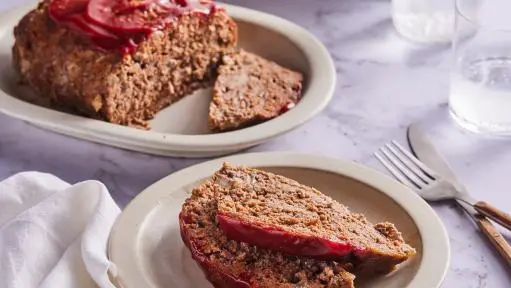
To create the best meatloaf recipe, one must look at it not as a simple loaf of ground beef, but as a carefully balanced culinary composition. It requires the right ratio of fats, the perfect moisture-binding agents, and a glaze that provides a tangy, caramelized finish. Here is a deep dive into the secrets of crafting a meatloaf that is moist, flavorful, and destined to become a staple in your household.
The Secret of the Meat Blend
The foundation of any great meatloaf is, of course, the meat. Many recipes call for 100% ground beef, but the absolute best results come from a blend. A mix of 80% lean ground beef and 20% ground pork is the professional’s secret.
The beef provides the hearty, savory structure, while the pork adds essential fat and a softer texture. If you use beef that is too lean (such as 95/5), your meatloaf will inevitably turn out tough and dry. The fat is what carries the flavor and keeps the loaf tender during the long baking process. For an even more sophisticated profile, some cooks add a small amount of ground veal, creating the classic “meatloaf mix” found in high-end butcher shops.
The Panade: Engineering Moisture
The most common complaint about meatloaf is that it can feel like a dense “brick” of meat. To prevent this, you must use a panade—a mixture of starch and liquid that keeps the protein fibers from knitting together too tightly.
While many use dry breadcrumbs, the best meatloaf recipe utilizes fresh bread soaked in whole milk. Using panko breadcrumbs or even crushed buttery crackers can also work, but soaking them in milk for 10 minutes before adding them to the meat ensures that moisture is locked into the center of the loaf. This mixture creates a delicate “crumb” that allows the meatloaf to remain light and juicy even after an hour in the oven.
Aromatics and Flavor Builders
A great meatloaf should never be “plain.” To build a deep flavor profile, you must sauté your aromatics before they go into the mixture. Finely diced onions, carrots, and celery (the classic mirepoix) should be cooked in a little butter or olive oil until soft and translucent. Adding raw onions directly to the meat often results in crunchy bits of undercooked vegetable that interrupt the texture.
Beyond the vegetables, don’t be afraid of Umami boosters. A tablespoon of Worcestershire sauce, a splash of soy sauce, or even a teaspoon of Dijon mustard can add a layer of complexity that makes people ask, “What is that secret ingredient?” Freshly minced garlic and herbs like parsley and thyme provide a brightness that cuts through the richness of the meat.
The Glaze: The Crown Jewel
A meatloaf without a glaze is just a giant meatball. The glaze serves two purposes: it protects the top of the loaf from drying out and provides a sweet-and-tangy contrast to the savory interior.
The best glaze is a sophisticated take on the classic ketchup topping. Mix high-quality ketchup with a bit of brown sugar, apple cider vinegar, and a pinch of garlic powder. For a modern twist, some chefs add a dash of Sriracha or chipotle powder for a subtle heat. Apply half of the glaze before the meatloaf goes into the oven, and save the other half to brush on during the last 15 minutes of baking. This creates a thick, tacky, and slightly charred finish that is arguably the best part of the entire dish.
Proper Baking Technique: Free-Form vs. Loaf Pan
There is a significant debate in the culinary world regarding the vessel. While a loaf pan is convenient, it often causes the meatloaf to “stew” in its own rendered fat, resulting in a soggy bottom.
For the best texture, shape your meatloaf by hand into a free-form rectangle on a parchment-lined rimmed baking sheet. This allows the heat to circulate around all four sides, creating a delicious “crust” on the exterior. If you are worried about the loaf spreading too much, simply keep the mixture cold until it goes into the oven; cold fat holds its shape much better than room-temperature meat.
The Golden Rule: Let It Rest
The most critical step in the best meatloaf recipe happens after the oven is turned off. You must let the meatloaf rest for at least 10 to 15 minutes before slicing. If you cut into it immediately, all the juices you worked so hard to preserve will run out onto the cutting board, leaving the meat dry. Resting allows the proteins to relax and the juices to redistribute, ensuring every slice is as moist as the center.
Conclusion
The perfect meatloaf is a balance of science and soul. By choosing a high-quality meat blend, using a milk-soaked panade, and mastering the art of the tangy glaze, you elevate a humble dish into a gourmet experience. It is a versatile meal that shines just as brightly the next day in a cold meatloaf sandwich as it does fresh out of the oven served alongside creamy mashed potatoes.
When you take the time to sauté your vegetables and let the meat rest, you aren’t just making dinner; you are preserving a tradition of home-cooked excellence.
Would you like me to help you adjust this recipe for a specific dietary need, such as a gluten-free version or a leaner turkey-based alternative?