Few culinary traditions carry as much warmth, nostalgia, and festive magic as baking Christmas cookies. As winter settles in and households begin decorating for the holidays, kitchens around the world transform into sweet-scented workshops. Flour coats countertops, rolling pins come out, and the distinct aromas of cinnamon, nutmeg, ginger, and caramelized sugar fill the air.
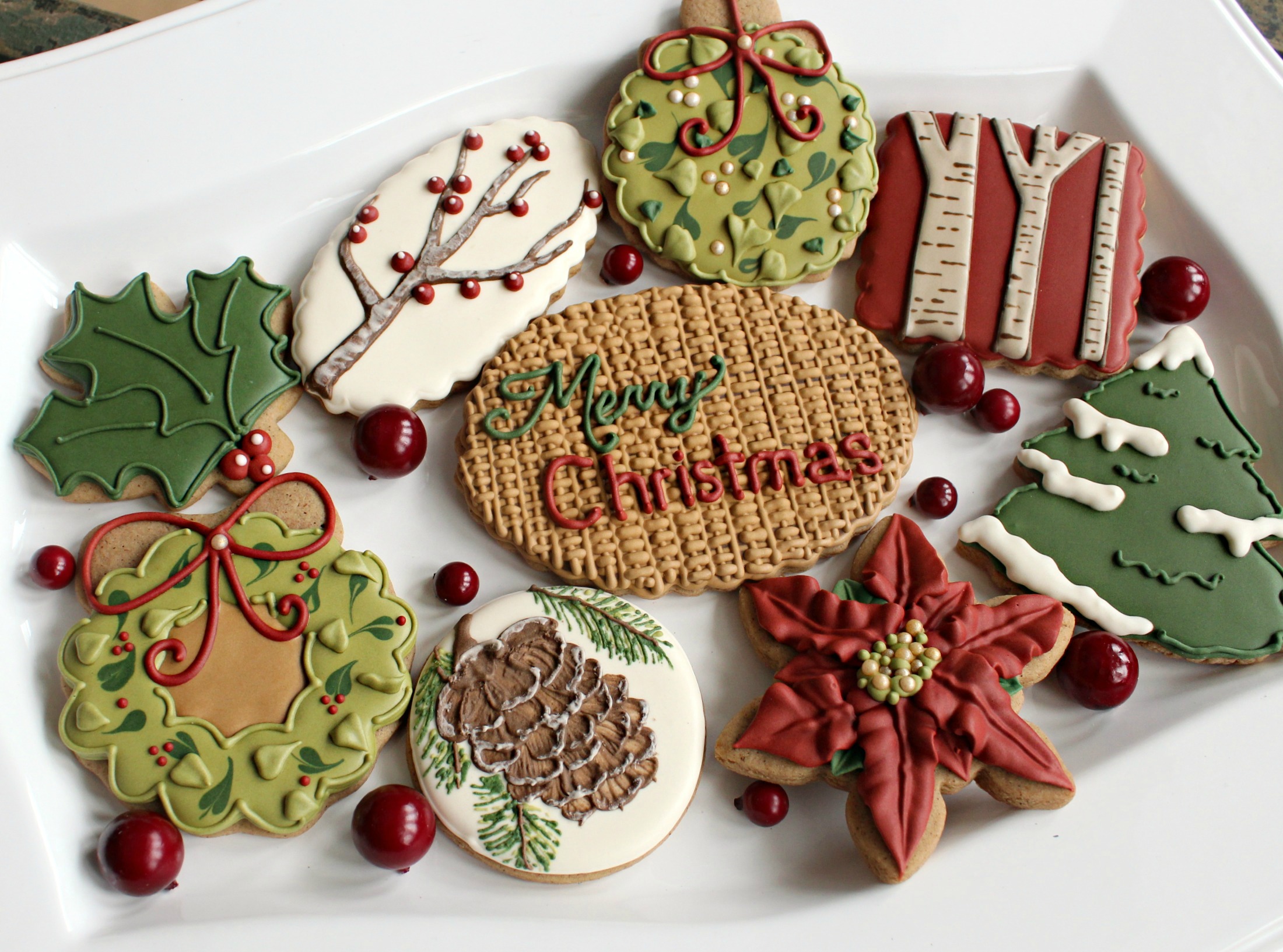
While decorated gingerbread figures and butter shortbread are ubiquitous today, the story of Christmas cookies spans centuries, continents, and rich cultural rituals. Understanding the art, science, and history behind holiday baking transforms an ordinary holiday treat into a meaningful celebration of global craftsmanship and family connection.
The Historical Origin of Holiday Baking
The tradition of baking rich, spiced treats during the darkest month of the year pre-dates modern holiday customs. In medieval Europe, the winter solstice was a time of gathering and preparation. Before refrigeration and mass agriculture, expensive ingredients such as refined sugar, lard, butter, dried fruits, and imported spices—like cloves, cinnamon, and nutmeg—were saved for special occasions.
Winter festivals provided the perfect opportunity to indulge in these luxury ingredients. Because small baked goods required less oven time and could be easily shared with neighbors and visitors, bakers began crafting small, spiced cakes and biscuits. As Christianity expanded across Europe, these winter solstice baking rituals merged with Christmas festivities, laying the groundwork for the diverse regional cookie recipes we cherish today.
Legendary Christmas Cookies Around the World
Every culture brings its own artistic flair and regional flavor palette to the holiday tin. Exploring these international classics reveals how simple pantry staples can be transformed into edible works of art.
German Gingerbread and Spekulatius
Germany boasts one of the oldest and most elaborate holiday baking traditions. Lebkuchen, a soft, honey-sweetened gingerbread originating from Nuremberg in the 14th century, is packed with warm spices, candied citrus peel, and ground nuts, often baked on thin wafer bases called Oblaten. Alongside Lebkuchen, wind-molded Spekulatius spiced biscuits display intricate carved designs representing traditional folklore and Saint Nicholas stories.
Italian Pignoli and Biscotti
In Italy, holiday baking focuses on nut bases and subtle infusions of citrus or anise. Pignoli cookies, hailing from Sicily, feature a chewy almond paste center coated in toasted pine nuts. Meanwhile, twice-baked Biscotti di Prato, studded with almonds or hazelnuts, are crafted specifically to be dipped into warm dessert wines or morning espresso during holiday gatherings.
Nordic Spritzgebäck and Gingerbread Thins
Scandinavian countries celebrate the season with razor-thin, crispy gingerbread cookies known as Pfeffernüsse or Pepperkaker. Additionally, Spritzgebäck—butter cookies pressed through a cookie press or piping bag into delicate wreaths, trees, and S-shapes—are a buttery staple served alongside hot mulled wine (Glögg).
The Art and Science of the Perfect Holiday Cookie Batch
Baking Christmas cookies is equal parts culinary art and exact chemistry. Achieving the ideal balance between tender crumb, crisp edges, and long shelf life requires attention to detail.
- Ingredient Temperature: Butter temperature dictates cookie texture. Creaming room-temperature butter with sugar creates tiny air pockets, yielding a lighter, cake-like crumb. Conversely, using chilled butter in shortbread or cut-out dough prevents spreading, ensuring clean, sharp edges after baking.
- Spice Activation: Spices like ginger, cinnamon, and cardamom contain fat-soluble aromatic compounds. Incorporating ground spices directly into the warm melted fat or creamed butter helps release their essential oils, resulting in a deeper, more cohesive flavor profile.
- Chilling the Dough: Resting dough in the refrigerator for at least two hours before baking allows the flour to fully hydrate and the fats to solidify. This step prevents cut-out sugar cookies and gingerbread figures from losing their shapes in the oven.
Modern Creative Trends: Elevating the Holiday Cookie Tray
While classical recipes hold a permanent place on the holiday table, contemporary bakers are introducing modern flavors and dietary adaptations to traditional recipes.
- Botanical and Savory Infusions: Modern holiday cookies frequently feature subtle savory or botanical notes. Pairing dark chocolate with sea salt, infusing shortbread with rosemary or lavender, or adding cardamom to orange-glazed cookies offers a sophisticated twist for adult palates.
- Inclusive Holiday Baking: With a growing demand for gluten-free, dairy-free, and plant-based treats, bakers are successfully adapting classic recipes. Aquafaba (chickpea liquid) replaces egg whites in delicate royal icing, while almond flour and high-quality plant butters recreate the rich, melt-in-your-mouth texture of traditional cut-outs without sacrificing flavor.
Conclusion
Christmas cookies are far more than mere holiday desserts; they represent a sweet tapestry of history, togetherness, and artistic expression. Whether you are recreating an ancient family recipe passed down through generations or experimenting with modern flavor pairings, the act of rolling dough, cutting shapes, and sharing baked goods brings people together like nothing else. As long as ovens warm our homes in winter, the tradition of holiday baking will continue to sweeten our festivities for generations to come.
Would you like a detailed recipe for classic gingerbread or melt-in-your-mouth shortbread, or would you prefer guidance on how to package and ship holiday cookie boxes safely?