Japanese cuisine, known natively as Washoku, is widely celebrated for its philosophical approach to food. Beyond mere nourishment, traditional Japanese cooking emphasizes seasonality, aesthetic balance, pristine ingredients, and deep respect for natural flavors. In 2013, Washoku was officially recognized by UNESCO as an Intangible Cultural Heritage, cementing its place as one of the world’s most refined culinary traditions.
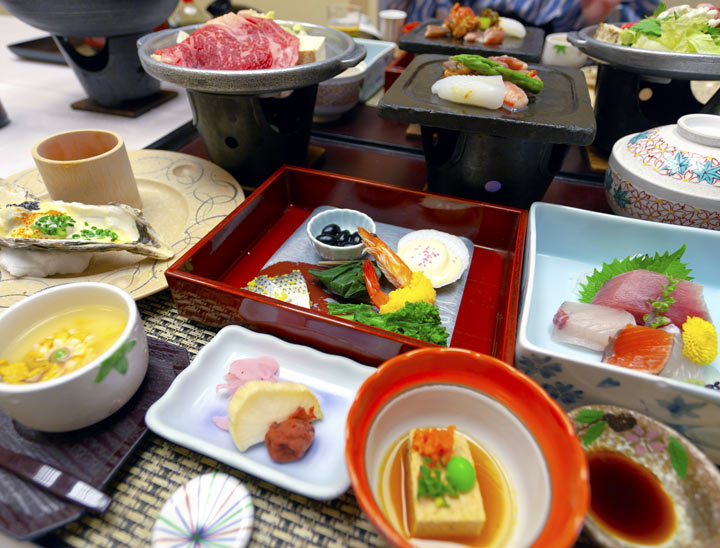
While international diners often associate Japanese food strictly with raw fish and sushi rolls, the country’s gastronomic landscape is remarkably diverse. From slow-simmered broths and street-side grilled skewers to comforting rice bowls and delicate noodle dishes, Japanese food offers an extraordinary range of textures and flavors.
The Core Philosophy Behind Japanese Cooking
At the heart of Japanese gastronomy lies the principle of Shun, which translates to using ingredients at the absolute peak of their seasonal freshness. This commitment ensures that dishes reflect the natural cycle of the year—spring bamboo shoots, summer eel, autumn mushrooms, and winter root vegetables.
The Science of Umami
A cornerstone of Japanese flavor design is umami, often described as the deep, savory fifth basic taste. Unlike many Western culinary practices that build flavor through heavy animal fats, dairy, or complex reductions, Japanese cooks generate umami through subtle fermented ingredients and natural stocks.
Central to this is Dashi, a foundational broth made by steeping Kombu (dried kelp) and Katsuobushi (dried, fermented skipjack tuna flakes) in hot water. Dashi forms the subtle, savory backbone of soups, simmered dishes, and sauces throughout the nation.
Balance of the Five Color and Taste Principles
Traditional meal preparation follows the rule of Gomi Goshoku (five tastes and five colors). A balanced meal ideally incorporates five colors (red, yellow, green, white, and black/dark tones) and five taste profiles (sweet, salty, sour, bitter, and umami). This structural harmony pleases both the eye and the palate, ensuring a satisfying and nutritious dining experience.
Essential Japanese Dishes Every Food Lover Must Explore
To truly appreciate Japanese cuisine, one must look beyond familiar favorites and experience the full spectrum of everyday comfort food and regional specialties.
1. Ramen: The Art of Nuanced Noodle Bowls
While originating as a Chinese adaptation, Ramen has evolved into an iconic Japanese art form. A great bowl of ramen consists of springy wheat noodles submerged in a complex, slow-simmered broth, categorized into four primary styles:
- Shoyu: A clear, fragrant brown broth seasoned with soy sauce and dashi.
- Shio: A light, clear broth seasoned primarily with sea salt, highlighting delicate chicken or seafood notes.
- Miso: A rich, hearty broth infused with fermented soybean paste, originating in the northern region of Hokkaido.
- Tonkotsu: A thick, milky broth created by boiling pork bones over high heat for up to twelve hours, rendering fat and collagen into pure silkiness.
2. Tempura: Lightness, Heat, and Precise Frying
Tempura showcases the Japanese mastery of texture. Introduced to Japan by Portuguese traders in the 16th century, the technique was refined into an elegant discipline. Fresh seafood and seasonal vegetables—such as prawns, sweet potatoes, lotus root, and shiso leaves—are coated in a whisper-thin batter of icy water, flour, and egg, then flash-fried in hot sesame or vegetable oil. The result is a greaseless, airy crust that seals in the moisture and natural sweetness of the ingredient inside.
3. Okonomiyaki: The Savory Comfort Pancakes
Hailing from the Kansai (Osaka) and Hiroshima regions, Okonomiyaki literally translates to “grilled as you like.” This savory pancake combines shredded cabbage, flour, eggs, and dashi, cooked on a flat iron griddle (Teppan). Diners can add pork belly, squid, cheese, or scallions. Once crisp on the outside and tender within, it is brushed with a sweet-savory brown sauce, drizzled with Japanese mayonnaise, and topped with seaweed powder (Aonori) and dancing bonitos flakes.
4. Kaiseki Ryori: The Pinnacle of Haute Cuisine
For the ultimate expression of Japanese culinary craftsmanship, Kaiseki represents traditional multi-course dining at its highest level. Originating alongside the Japanese tea ceremony, a multi-course Kaiseki meal presents small, meticulously arranged dishes that highlight seasonal micro-ingredients, artistic tableware, and traditional cooking techniques ranging from steaming and grilling to raw preparations.
The Culture of Everyday Japanese Dining
Japanese food culture is deeply tied to social traditions, hospitality (Omotenashi), and casual dining environments.
- Izakaya Culture: An Izakaya is the Japanese equivalent of an informal tavern. Here, friends and colleagues gather after work to share small, tapas-style plates like Yakitori (grilled chicken skewers), Edamame, and fried chicken (Karaage), accompanied by cold beer, sake, or highballs.
- The Ritual of Itadakimasu: Before partaking in any meal, diners press their hands together and utter “Itadakimasu,” an expression of gratitude to the ingredients, nature, and the cooks who prepared the food. Upon finishing, saying “Gochisosama-deshita” honors the effort and hospitality extended.
Conclusion
Japanese cuisine is far more than a collection of tasty recipes; it is a profound celebration of nature, balance, and artistic precision. By honoring seasonal ingredients, mastering foundational stocks like Dashi, and continuously refining techniques across every level of dining, Japan has created a rich culinary culture that delights the senses. Whether you are savoring a steaming bowl of street-side Ramen or enjoying the quiet elegance of Tempura, exploring Japanese food promises a deeply rewarding journey into flavor and heritage.
Would you like to explore a detailed guide on making authentic Japanese Dashi at home, or would you prefer a breakdown of regional food specialties across Tokyo, Osaka, and Kyoto?