The culinary landscape of the West is inextricably linked to the sea. From the rugged coasts of Brittany and the sun-drenched Mediterranean shores to the icy depths of the North Atlantic and the Pacific Northwest, seafood has defined regional identities for centuries. Studying seafood within Western cuisine is not merely an exercise in learning how to cook fish; it is an exploration of geography, history, biology, and the delicate balance of modern ecology.
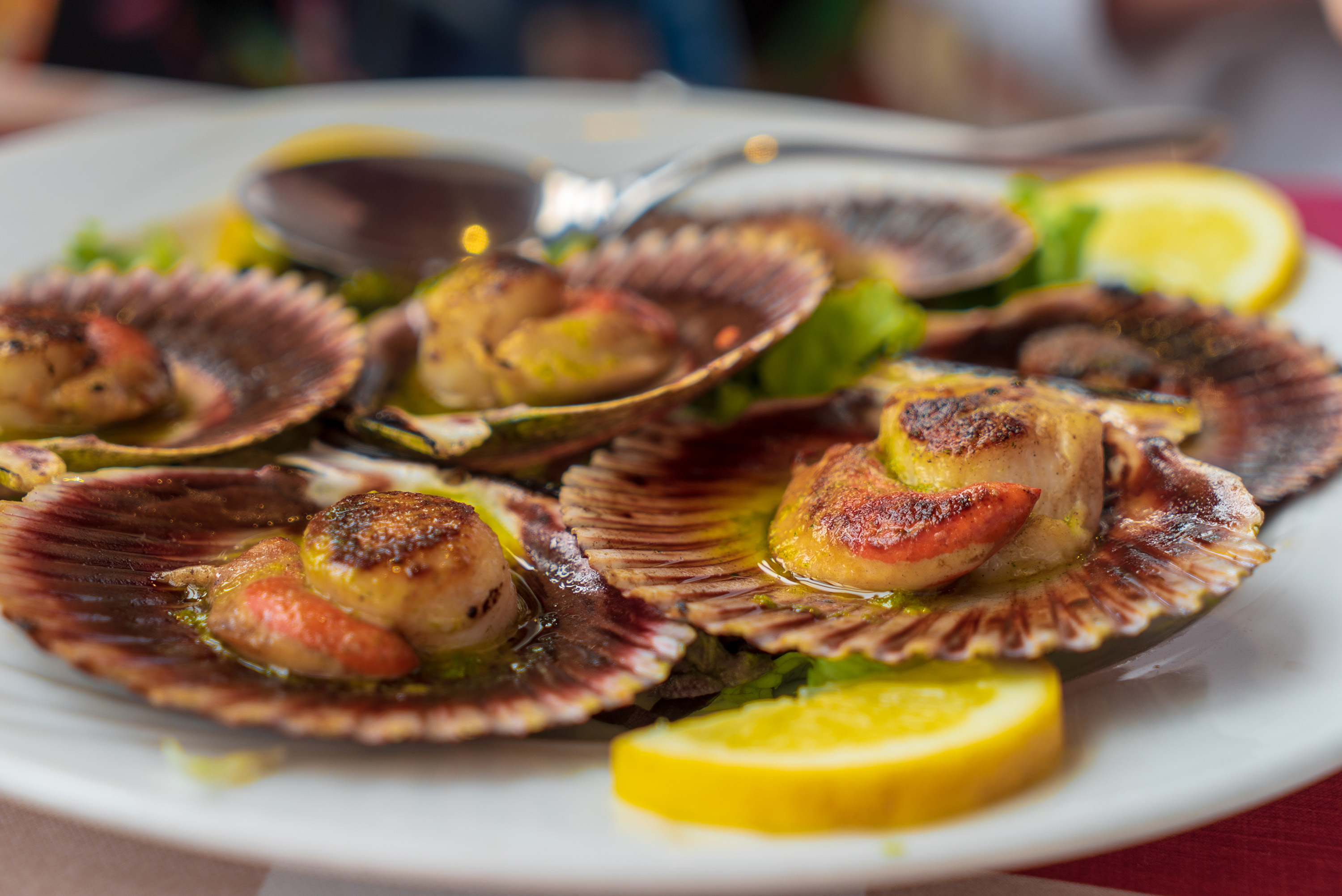
For a professional chef or a dedicated culinary student, mastering seafood is often considered the ultimate test of skill. Unlike terrestrial proteins, seafood is exceptionally delicate, highly perishable, and incredibly diverse. Understanding its nuances requires a deep dive into various species, preparation methods, and the cultural contexts that have shaped iconic dishes.
The Historical Significance of Seafood in the West
Seafood has been a cornerstone of Western nutrition since antiquity. In Ancient Rome, fermented fish sauce known as garum was a staple commodity, reflecting an early sophistication in seafood preservation. During the Middle Ages, the Christian practice of abstaining from meat on Fridays and during Lent turned fish into a vital dietary component across Europe.
This historical necessity gave birth to some of the most famous Western culinary traditions. In the United Kingdom, the abundance of cod led to the creation of Fish and Chips, a dish that became a symbol of national resilience. In France, the fishermen of Marseille transformed unsold rockfish into Bouillabaisse, a complex saffron-infused stew that is now considered a pinnacle of Mediterranean gastronomy. Studying these origins helps a cook understand why certain flavor profiles—such as the pairing of lemon, parsley, and butter—remain timeless.
Classification and Anatomy: The Student’s Foundation
To study seafood effectively, one must first master classification. In Western culinary schools, seafood is generally divided into two primary categories: finfish and shellfish.
Finfish are further categorized by their shape and oil content. Round fish, such as salmon, trout, and bass, have eyes on both sides of their heads and yield two fillets. Flatfish, such as sole, turbot, and halibut, swim horizontally and yield four fillets. Understanding the fat content is equally crucial; lean fish like cod require gentle, moist-heat cooking, while oily fish like mackerel or tuna can withstand the intense heat of a grill.
Shellfish are divided into mollusks and crustaceans. Mollusks include univalves (abalone), bivalves (clams, oysters, mussels), and cephalopods (squid, octopus). Crustaceans include lobster, crab, and shrimp. Each of these requires a specific understanding of anatomy—knowing how to shuck an oyster safely or how to extract the meat from a blue crab is a rite of passage for any serious student of the craft.
Essential Cooking Techniques in Western Seafood
Western cuisine utilizes a specific set of techniques designed to enhance, rather than mask, the natural sweetness of seafood. Mastery of these methods is the hallmark of a professional.
- Poaching and Sous-Vide: These gentle methods are ideal for delicate white fish. By simmering fish in a “court bouillon” (a flavored aromatic broth) or sealing it in a vacuum bag, the protein remains moist and tender.
- Sautéing and Pan-Searing: This is the most common restaurant technique. Achieving a “crispy skin” on a sea bass or snapper while keeping the flesh translucent requires precise temperature control and timing.
- Roasting and Grilling: Often associated with the Mediterranean style, whole-roasted fish stuffed with herbs and lemon reflects a minimalist approach that celebrates the freshness of the catch.
- Curing and Smoking: From Scandinavian Gravlax to Scottish smoked salmon, these preservation techniques are essential studies in the chemistry of salt and smoke.
The Role of Sauces and Accompaniments
In the Western tradition, the sauce is often what defines the dish. The “Mother Sauces” of French cuisine are frequently adapted for seafood. A Velouté made with fish stock (fumet) becomes the base for many classic preparations. Butter-based sauces, such as Beurre Blanc or Hollandaise, provide the necessary richness to balance the lean profile of many fish species.
Furthermore, the study of “terroir” (the environment where food is grown) plays a role in seafood. Pairing Atlantic scallops with earthy parsnip purée or serving Mediterranean sea bream with salty olives and capers demonstrates an understanding of how regional ingredients complement the flavors of the nearby sea.
Sustainability and the Future of the Industry
One cannot study seafood in the modern era without addressing ethics and sustainability. The Western palate has historically favored a narrow range of species—namely salmon, tuna, and shrimp—leading to overfishing and ecological imbalance.
Modern culinary education now emphasizes “Trash Fish” or underutilized species. Chefs are learning to cook with porgy, monkfish liver, and invasive species like lionfish to alleviate pressure on popular stocks. Additionally, the study of aquaculture (fish farming) has become vital. Understanding the difference between high-quality, responsibly farmed sturgeon and industrial-scale operations is essential for the modern chef who wishes to source ingredients ethically.
Conclusion
Studying seafood in Western cuisine is a journey that spans from the primal act of the catch to the refined artistry of the plate. It is a discipline that demands respect for the ingredient, as there is no room for error when dealing with the ocean’s bounty. By mastering the history, anatomy, and technical applications of seafood, a culinary professional gains the ability to create dishes that are not only delicious but also respectful of our planet’s most vital resource.
As the industry evolves, the focus on seafood will likely shift even further toward local sourcing and creative utilization of the entire animal. For the student of gastronomy, the sea remains an endless source of inspiration, offering a variety of textures and flavors that no other category of food can match.