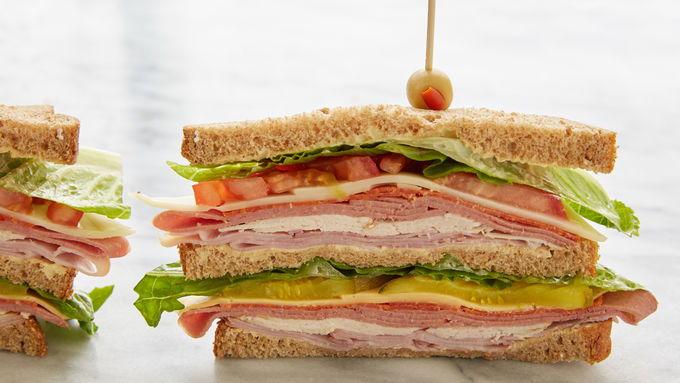
The life of a home cook is a constant battle between culinary ambition and practical reality. We dream of elaborate Sunday roasts and multi-course dinners, but we often wake up on Monday morning facing the inevitable aftermath: a fridge full of containers. For too many, the solution to this logistical puzzle is the same predictable cycle—the cold slice of chicken, the stiff piece of steak, or the soggy rice, all crammed between two slices of bread. The cold sandwich becomes a symbol of culinary surrender, a tacit acknowledgment that the flavor and excitement of the previous night are gone.
However, embracing a more creative approach to “planned overs” is one of the most effective ways to save money, reduce food waste, and banish dinner boredom. By viewing leftovers not as finished dishes, but as pre-cooked, pre-seasoned ingredients, we can unlock an entire second life for our meals, transforming them into entirely new, exciting, and sometimes superior creations. It is time to move beyond the cold sandwich and truly elevate the art of the encore meal.
The Mindset Shift: Deconstruct and Re-contextualize
The fundamental error in handling leftovers is trying to eat the exact same meal again. The key to successful repurposing lies in deconstruction. Take the main protein, side dish, or sauce, separate them, and introduce them to a new culinary context with fresh textures and complementary flavors.
Rule 1: Change the Texture
A stiff slice of roast beef or dry chicken breast is unappealing. Shredding or crumbling it completely changes its texture, instantly making it suitable for a new format.
- Roast Chicken or Pork: Shred it finely, toss it with a new sauce (like BBQ, buffalo, or a tangy vinaigrette), and use it as a filling for tacos, burritos, or lettuce wraps.
- Grilled Steak: Slice it ultra-thin against the grain and toss it with soy sauce and ginger for a quick steak fried rice or a simple lo mein. The high heat of the wok or skillet revitalizes the meat.
Rule 2: Change the Cuisine
The quickest way to make leftovers feel new is to introduce a flavor profile from a completely different cuisine.
- Leftover Lamb: Transform it into a Greek-inspired Gyros filling by warming it with a sprinkle of oregano and lemon juice, serving it in a warm pita with tzatziki and cucumber.
- Leftover Cooked Vegetables: Roast carrots, broccoli, and potatoes can feel heavy. Chop them finely and combine them with black beans, chili powder, and cumin for a vegetarian quesadilla filling.
Leftover Staples: Recipes for a Second Act
Certain staples are incredibly versatile and lend themselves beautifully to new dishes that feel anything but recycled.
1. The Rice Renaissance: From Side to Centerpiece
Leftover rice, especially day-old rice, is the ideal candidate for an immediate makeover.
- Fried Rice: The classic choice. Day-old rice is less sticky and absorbs flavors better. Sauté diced onions, garlic, and any remaining chopped vegetables. Add the cold rice, a splash of soy sauce, and a scrambled egg. The entire dish comes together in under ten minutes and is highly customizable with any leftover protein.
- Arancini or Croquettes: If you have leftover risotto, roll the cold rice into balls, stuff with a small cube of cheese, coat in breadcrumbs, and fry until golden. These Italian fried rice balls are a decadent appetizer that bear no resemblance to the original meal.
2. The Mashed Potato Miracle: From Fluff to Crisp
Mashed potatoes can be tragically gluey when reheated on their own. Instead, they are perfect for turning into crispy, savory potato cakes.
- Potato Pancakes (Latkes or Croquettes): Mix the cold mashed potatoes with an egg, a small amount of flour, and finely chopped chives or parsley. Form into small patties and pan-fry in butter or oil until they develop a crisp, golden-brown crust. They pair perfectly with leftover gravy or sour cream.
- Shepherd’s Pie Topping: Use leftover mashed potatoes as the luscious, savory topping for a quick shepherd’s pie base made from any leftover ground meat (like meatloaf) or diced roast meat mixed with gravy and frozen vegetables.
3. The Pasta Principle: Casseroles and Frittatas
Leftover pasta, particularly if it was only lightly sauced, can be given a completely new structure.
- Baked Pasta Casserole: Toss the pasta with a fresh, simple cheese sauce (a quick béchamel), top with extra cheese and breadcrumbs, and bake until bubbly. The change in texture and the crisp topping make it an entirely new, comforting dish.
- Pasta Frittata: Combine leftover cooked spaghetti or noodles with eggs, a splash of milk or cream, and any remaining vegetables or herbs. Pour into an oven-safe skillet and bake. This turns a dinner side dish into a sophisticated, Italian-style brunch or light lunch.
Conclusion: Leftovers as an Ingredient, Not a Duty
The cold sandwich is a valid, but ultimately lazy, solution to a rich problem. When we elevate our leftovers, we practice true culinary resourcefulness, saving money and eliminating food waste while simultaneously introducing exciting variety into our weeknight meals. The key is simply to shift your perspective: abandon the duty to reheat and embrace the creativity of deconstruction and re-contextualization.
The next time you gaze upon a container of dinner leftovers, don’t reach for the bread and mayo. Instead, grab a knife, a skillet, and a dash of global seasoning. Your Tuesday dinner can, and should, be as exciting as your Sunday feast.
What type of leftover ingredient are you most interested in transforming next?