Baking a delicious dessert is an exercise in precision, chemistry, and flavor balance. Every ingredient plays a critical role, from providing structure to locking in moisture. It is a common household scenario: you assemble your ingredients to bake a rich chocolate cake, fluffy muffins, or moist brownies, only to find your pantry is missing standard vegetable oil. In its place sits a bottle of canola oil.
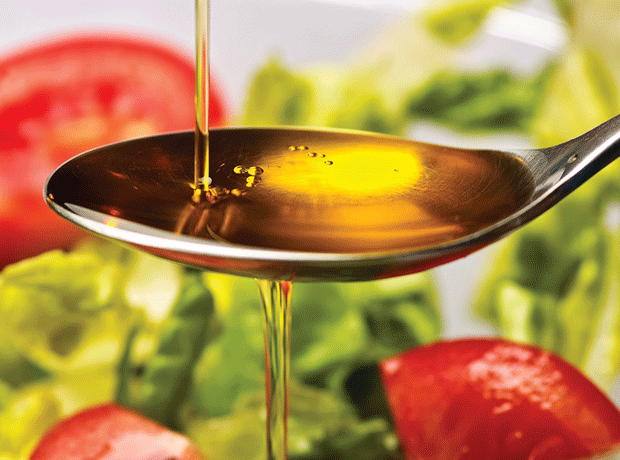
The short answer is a resounding yes—you can swap vegetable oil with canola oil in virtually any dessert recipe using a direct 1:1 ratio. However, understanding why this substitution works so seamlessly, how it affects the subtle mechanics of your baked goods, and when to adjust your technique will ensure your desserts turn out perfectly every time.
Understanding the Basics: Vegetable Oil vs. Canola Oil
To understand why this swap works so well, it helps to examine what these two cooking oils actually are.
- Vegetable Oil: Commercial “vegetable oil” is rarely made from a single green vegetable. Instead, it is usually a blend of refined plant-based oils, most commonly soybean oil, corn oil, sunflower oil, or palm oil. It is engineered specifically to have a neutral flavor profile, a pale color, and a high smoke point.
- Canola Oil: Canola oil is derived from a specific, cross-bred variety of the rapeseed plant (developed in Canada, which gives the oil its name). While canola oil is technically a specific type of plant/vegetable oil, it is packaged and sold under its own distinct name due to its unique fatty acid profile.
Because both products undergo similar refining processes to strip away strong aromas and flavors, they behave nearly identically when exposed to heat and mixed into sweet batters.
Why Canola Oil Works Perfectly in Desserts
Baking relies heavily on fat to create tenderness, hold moisture, and deliver a pleasant mouthfeel. When substituting canola oil for general vegetable oil in desserts, several key factors work in your favor.
Neutral Flavor Profile
The primary concern when swapping baking oils is altering the taste of the final treat. Strong-flavored oils like extra virgin olive oil or unrefined coconut oil can overpower delicate flavors like vanilla, milk chocolate, or lemon. Canola oil possesses an exceptionally neutral taste. When baked into cakes, cupcakes, or quick breads, it acts as a silent carrier of flavor, allowing your main ingredients—cocoa powder, spices, berries, and vanilla—to shine without interference.
Equal Density and Fat Content
Both vegetable oil and canola oil consist of 100% pure fat without added liquid or water content (unlike butter, which contains roughly 16-20% water and milk solids). Because their viscosities and fat densities are virtually identical, swapping them cup-for-cup (or milliliter-for-milliliter) maintains the exact hydration levels required by your recipe.
Superior Moisture Retention
Liquid oils remain liquid at room temperature. In desserts like carrot cake, banana bread, and fudge brownies, using canola oil instead of solid fats (like butter or shortbread fats) coats flour proteins and stops gluten development. This creates a softer, longer-lasting crumb that stays moist and tender for days after baking.
How to Make the Substitution in Your Recipes
Substituting canola oil for vegetable oil requires zero complex math or adjustments to your liquid ratios. Follow these simple steps for flawless results:
- Use a Direct 1:1 Ratio: If a recipe calls for 1 cup of vegetable oil, simply use 1 cup of canola oil. The same applies to smaller measurements like tablespoons or teaspoons.
- Check for Freshness: Because plant-based oils contain unsaturated fats, they can oxidize over time if stored near heat or direct sunlight. Give your canola oil a quick smell before adding it to your batter. Fresh canola oil should have almost no scent at all; if it smells stale or fishy, replace the bottle.
- Mix Thoroughly with Wet Ingredients: Whisk your canola oil together with the wet ingredients—such as eggs, milk, sugar, and vanilla extract—before folding in the dry ingredients. This ensures the fat is evenly dispersed throughout the batter.
Key Differences and Nutritional Considerations
While both oils perform identically in baking, they do carry slightly different nutritional profiles that health-conscious bakers might appreciate.
- Saturated vs. Unsaturated Fat: Canola oil is widely recognized for having lower levels of saturated fat compared to standard vegetable oil blends that contain soybean or palm oil.
- Heart-Healthy Fatty Acids: Canola oil is rich in monounsaturated fats and contains a notable amount of plant-based Omega-3 fatty acids (alpha-linolenic acid).
- Baking Performance: In terms of texture, crumb structure, rise, and shelf life, you will detect zero physical difference between a dessert made with canola oil and one made with vegetable oil.
Conclusion
Baking should be a stress-free, joyful experience, and running out of standard vegetable oil should never stop your kitchen adventures. Canola oil is not just an acceptable substitute—it is an ideal, equal counterpart in every type of dessert. Thanks to its neutral flavor, high fat purity, and excellent moisture-retention properties, swapping canola oil for vegetable oil at a seamless 1:1 ratio guarantees that your cakes, muffins, and brownies will emerge from the oven beautifully risen, tender, and delicious.
Would you like to explore how canola oil compares to butter or coconut oil in baking, or would you like tips on converting butter-based cake recipes to oil-based ones?