The humble egg is perhaps the most versatile ingredient in the culinary world. It is the backbone of French patisserie, the star of a hearty American breakfast, and the secret to a perfectly emulsified Japanese sauce. For a home cook, mastering egg cookery is more than just a morning ritual; it is a fundamental skill that opens the door to hundreds of complex dishes. Whether you prefer them poached, scrambled, or fried, understanding the science and technique behind the egg is the first step toward becoming a more confident chef.
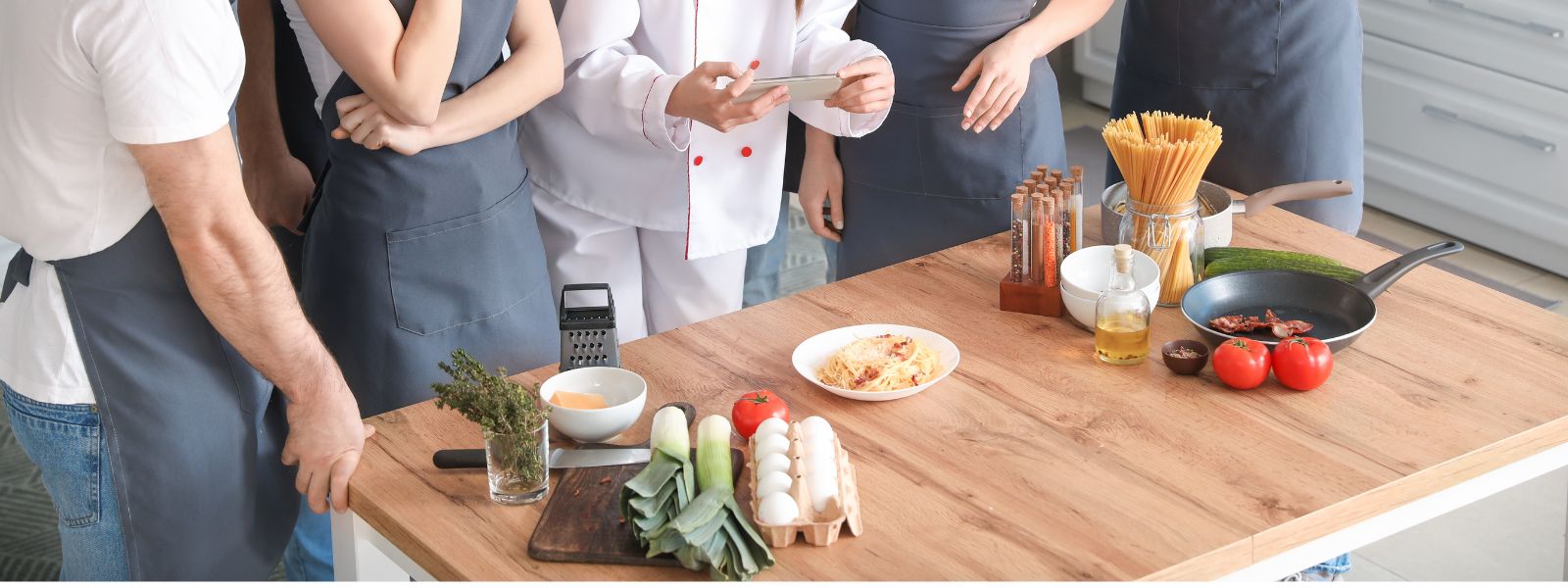
In this guide, we will explore the essential techniques for cooking eggs, the science of temperature control, and the small details that transform a simple dish into a gourmet experience.
The Science of the Perfect Scramble
Scrambled eggs are often the first thing a novice learns to cook, yet they are one of the most difficult to perfect. The common mistake is using high heat, which results in rubbery, dry curds and a sulfurous smell.
To achieve professional-grade scrambled eggs, the key is “low and slow.” By whisking the eggs thoroughly—incorporating air to create fluffiness—and cooking them over low heat, you allow the proteins to coagulate gently. Adding a small knob of cold butter at the beginning of the process helps create a creamy barrier between the protein strands.
The secret technique used by many top chefs is the “carry-over cooking” method. You should remove the eggs from the heat when they still look slightly wet and underdone. The residual heat from the pan will finish the cooking process on the plate, ensuring they remain custardy and soft rather than dry.
The Architecture of the Poached Egg
Poaching an egg is often viewed with intimidation, but it is actually a simple exercise in fluid dynamics. The goal is to set the whites around the yolk before they have a chance to wispy away into the water.
The first rule of poaching is freshness. An older egg has thinner whites that will inevitably separate in the water. If you are using supermarket eggs that might not be farm-fresh, use a fine-mesh strainer to drain off the watery “loose” whites before sliding the egg into the pot.
The water should be at a bare simmer—just a few bubbles breaking the surface. Adding a tablespoon of white vinegar helps the proteins bond faster, but avoid adding salt to the water, as it can actually break down the whites. Using the “vortex” method, where you swirl the water into a gentle whirlpool before dropping the egg in the center, helps the whites wrap around the yolk like a cocoon. Three minutes of poaching will generally yield a set white and a liquid gold center.
Frying for Texture: Sunny-Side Up and Over-Easy
Frying an egg is a study in contrasts. You want a tender, fully cooked white and a warm, runny yolk. There are two primary schools of thought here: the classic butter-basted method and the high-heat crispy edge method.
For a classic, elegant fried egg, use a non-stick skillet over medium-low heat with plenty of butter. To ensure the top of the white cooks without flipping the egg (sunny-side up), you can add a teaspoon of water to the pan and cover it with a lid for 30 seconds. The steam will perfectly set the top of the egg.
If you prefer the “over-easy” style, the flip is the most critical moment. Use a wide, thin spatula and flip with confidence. The key is to minimize the distance the egg travels to avoid breaking the yolk. Only 15 to 30 seconds on the second side is needed to set the outer layer of the yolk while keeping the inside fluid.
The Hard-Boiled Standard: No More Green Rings
Nothing ruins a salad or a snack like a hard-boiled egg with a chalky, grey-green ring around the yolk. This discoloration is a chemical reaction between iron and sulfur, caused by overcooking.
The most reliable method for perfect boiled eggs is the “boil and soak” technique. Place your eggs in a single layer in a saucepan and cover them with an inch of cold water. Bring the water to a full boil, then immediately turn off the heat and cover the pan.
For a soft-boiled egg with a jammy center, wait 6 minutes. For a perfect hard-boiled egg, wait 12 minutes. Immediately after the timer goes off, plunge the eggs into an “ice bath”—a bowl filled with ice and water. This stops the cooking process instantly and makes the eggs significantly easier to peel by shocking the membrane away from the shell.
Elevating the Omelet: French vs. Country Style
The omelet is the ultimate test of a cook’s finesse. The French omelet is smooth, pale (no browning), and rolled into a cigar shape with a creamy, slightly undercooked interior. It requires constant movement of the pan and a fork to break up the curds as they form.
The Country-style or American omelet is more rugged. It features a browned, slightly crispy exterior and is usually folded in half over a generous filling of cheese, vegetables, or meats. Both are delicious, but they require different heat management. The French version demands low heat and high agility, while the Country style thrives on medium heat and patience.
Conclusion
Cooking eggs is a journey of precision and temperature management. Once you understand how heat affects the proteins in the white and the fats in the yolk, the kitchen becomes a place of endless experimentation. From the simplest fried egg on toast to a complex soufflé, the egg is a reminder that the best ingredients don’t have to be the most expensive—they just require the most care.
By practicing these foundational techniques—the low-heat scramble, the steam-set fry, and the ice-bath boil—you will not only improve your breakfast game but also gain a deeper appreciation for the chemistry of cooking.
Would you like to explore a specific recipe for a classic French Hollandaise sauce, or perhaps a guide on how to incorporate these egg techniques into a high-protein meal prep plan?