The distinction between a home cook and a professional chef is often not one of talent, but one of process and precision. A restaurant kitchen operates under high pressure, demanding efficiency, consistency, and flawless execution. The good news is that the core philosophies that allow a professional to thrive can be easily adopted by the home chef, elevating everyday meals from satisfactory to sublime. Cooking like a pro isn’t about mastering complex molecular gastronomy; it’s about mastering the fundamentals.
This article explores the foundational principles, techniques, and mindset that will transform your kitchen habits and dramatically improve the flavor and quality of everything you cook.
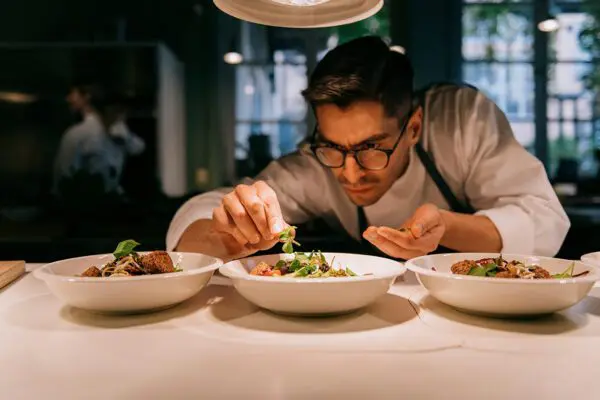
The Professional Mindset: Mastering Mise En Place
The single most important philosophy separating the amateur from the professional is the French term, “Mise En Place”—literally meaning “everything in its place.” This is more than just pre-chopping vegetables; it is a discipline that dictates workflow, organization, and efficiency.
What Mise En Place Really Means
- Preparation First: Before the heat goes on, every single ingredient is washed, peeled, chopped, measured, and placed in separate containers. Spices are measured, sauces are mixed, and tools are set out.
- Reading the Recipe: A professional always reads the recipe or menu from start to finish before beginning. This allows them to anticipate required cooking steps, timing, and potential bottlenecks.
- Flow and Focus: Once the cooking starts, there are no interruptions. You won’t be frantically searching for a teaspoon of salt or waiting for the chopping board to be free. You can focus entirely on the delicate process of cooking—monitoring temperature, tasting, and adjusting flavors—which is where the magic happens.
Adopting mise en place drastically reduces stress and prevents costly errors like burnt garlic or forgotten ingredients, directly leading to better-tasting food.
Technique Triumphs: Heat, Texture, and Searing
While ingredients are the raw material, professional techniques are the tools that unlock their potential. Two concepts stand above the rest: consistent cutting and rigorous temperature control.
The Consistency of the Cut
Chefs obsess over knife skills not just for speed, but for consistency. All ingredients intended to cook together—such as carrots, celery, and onions for a mirepoix—must be cut to a near-identical size and shape.
- Why It Matters: Uniformity ensures that all pieces finish cooking at the exact same time. If a diced potato includes pieces that are half an inch and pieces that are one inch, the smaller pieces will be mushy and overcooked before the larger pieces are tender. Consistent cutting guarantees consistent results and a perfect texture in the final dish.
The Magic of Proper Searing and Resting
Achieving a deep, flavorful crust on meat or fish requires respecting the power of high heat.
- Hot Pan, Hot Oil: Professionals preheat their pan empty until it is smoking hot, then add the fat (oil or butter), and then add the protein. If the pan isn’t hot enough, the food will stick and stew in its own juices, resulting in a gray, sad exterior instead of a beautiful, caramelized brown crust.
- Don’t Overcrowd: Overcrowding a pan instantly drops the temperature, causing the food to steam rather than sear. Always cook in batches if necessary, allowing space between pieces to let moisture escape and browning to occur.
- The Rest Period: Once cooked, protein—especially steak, roasts, and chicken—must rest. This allows the muscle fibers to relax and reabsorb the internal juices. Cutting into meat too early causes those delicious juices to rush out onto the cutting board, leaving the meat dry and flavorless. A rest of 5 to 15 minutes, depending on the size of the protein, is non-negotiable.
Elevating Flavor: Seasoning and Layering
The final, and perhaps most crucial, difference in professional cooking is the disciplined approach to seasoning.
Season Every Layer
Amateur cooks often add one large pinch of salt at the very end of cooking. Professionals season food at every stage of the cooking process.
- Stage 1: Raw Ingredients: Salt proteins and vegetables lightly before they hit the pan. This allows the seasoning to penetrate the food structure.
- Stage 2: Aromatics: Season aromatics (onions, garlic) as they sauté. This extracts moisture and concentrates their flavor, forming a seasoned base for the dish.
- Stage 3: Liquid and Reduction: Season sauces, stocks, and broths, knowing that the flavor will become more concentrated as the liquid reduces.
- Stage 4: Finish: Finish the dish with a final flourish of flaky sea salt or a touch of acid (lemon juice or vinegar) to “wake up” the flavor right before serving. This layering ensures a deep, complex, and balanced profile, rather than a single, salty note.
Utilizing Acid for Balance
Professional chefs understand that a great dish requires balancing the four major tastes: sweet, salty, bitter, and sour (acidic). When a dish tastes “flat” or “missing something,” the answer is almost always acid. A splash of fresh lemon juice, a drizzle of red wine vinegar, or a touch of lime juice can cut through richness, brighten flavors, and provide necessary contrast, often resulting in that “restaurant-quality” finish.
Conclusion: Cooking with Confidence
To cook like a pro is to cook with confidence, and confidence stems directly from preparation and discipline. By adopting mise en place, respecting the rules of heat and texture, and implementing a structured approach to seasoning and balancing flavors, you shift your focus from scrambling to simply executing. These principles are universal; they work whether you are making a simple omelet or a multi-course dinner. Start small, incorporate these habits into your routine, and you will quickly find that the most delicious rewards come from the simple, careful mastery of the fundamentals.
Would you like to explore the specifics of mastering knife skills, which is the foundational tool of mise en place?